One of the most important safety considerations when installing solar panels is the use of scaffolding. Not only does scaffolding make it easier to access different parts of the roof, especially on sloping or large roofs, it also allows workers to work at height more safely.
The strongest part of the roof should be dedicated to the installation location of the solar panel. To speed up the work process and reduce the error rate, it is better to carefully mark the installation location and the connection point of the rails. Marking the installation location helps to plan and organize the installation work in a systematic and orderly manner.
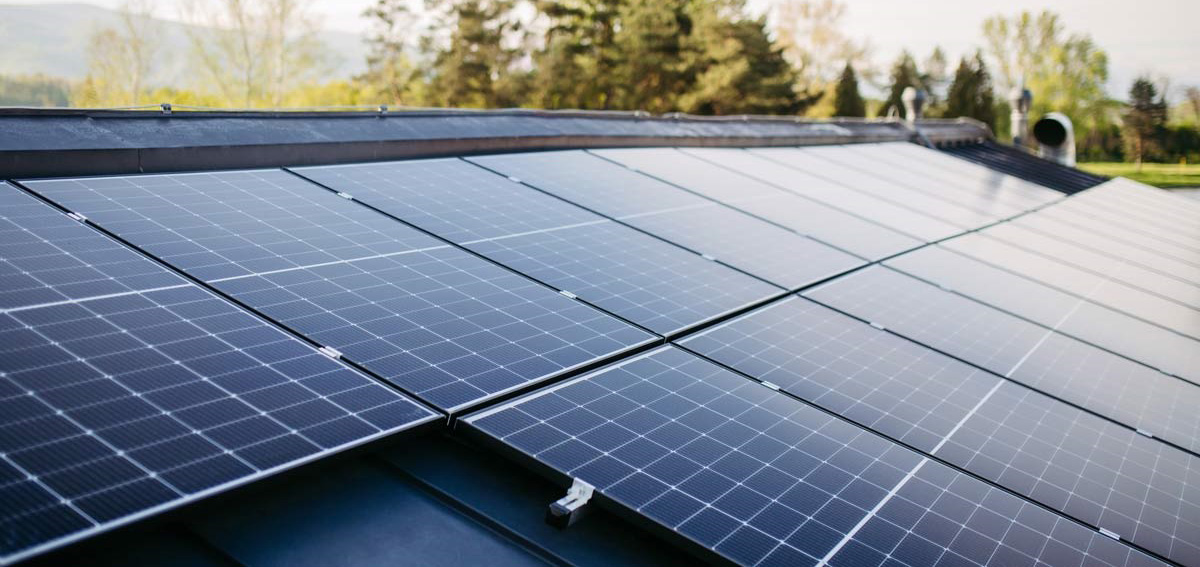
Rails and connectors are the components on which the solar panel is placed. In fact, the rails are the main connection point of the solar panels on the ground or roof. These rails not only allow you to adjust the angle of the panels to receive maximum sunlight, but also help the panel to be more stable against various weather factors such as wind and storms. Therefore, you must make sure that all the rails are installed in the right place and their bolts and nuts are fully tightened. To be more sure, you can follow the solar panel guide.
After ensuring that the rails and bolts are securely attached, the panel can be installed on the rails. Moving and transporting the solar panel must be done with caution and with great care, because the components of these panels are very sensitive and vulnerable. The direction and angle of the panels should be such that they receive maximum sunlight.
Wiring is an important step in installing solar panels that must be done in accordance with electrical standards and technical and safety precautions. Otherwise, the solar panel will not work. At this stage, it is essential to have the correct planning and design of the circuit type, pay attention to the wiring route and how the panels are arranged. It is recommended to use PV wires with the appropriate cross-section so that they can transfer the required current. Also, you need connectors to easily and safely connect the panels to each other. With the help of connectors, especially MC4 connectors that are compatible with all types of solar systems, you can improve the quality of the connections.
The inverter is one of the important components of solar panels. This device converts the direct current (DC) generated by the panels into alternating current (AC). In this way, electricity is supplied at a standard voltage for domestic and industrial use. Every solar system needs a solar inverter. Inverters have different dimensions that must be selected according to the type of solar system used. For example, a central inverter is suitable for large solar systems, a string inverter is suitable for medium-sized solar systems, and a micro-solar inverter is suitable for small and shaded systems.
Not all solar systems require batteries, but a solar battery is suitable for those users who want to benefit from the solar energy of their panels after sunset or during power outages. The use of a battery is only necessary in solar systems, especially in off-grid systems, but in grid-connected systems where excess electricity is transferred to the grid, the use of a solar battery is optional. There are various solar batteries on the market such as: lithium-ion batteries, lead-acid batteries, nickel-cadmium batteries, tubular batteries and flow batteries.
After the installation of the solar panel components and their connections are completed correctly, the solar system can be started. In the meantime, the performance of the solar panel should be tested through the inverter display and the production and consumption of electricity should be closely monitored. Note that the panels should be cleaned regularly, for example once every 6 months, so that dust and dirt do not negatively affect their efficiency. Also, periodic inspection of the connections, cables and equipment also helps to ensure optimal performance of the solar panel.
One of the most important safety considerations when installing solar panels is the use of scaffolding. Not only does scaffolding make it easier to access different parts of the roof, especially on sloping or large roofs, it also allows workers to work at height more safely.
The strongest part of the roof should be dedicated to the installation location of the solar panel. To speed up the work process and reduce the error rate, it is better to carefully mark the installation location and the connection point of the rails. Marking the installation location helps to plan and organize the installation work in a systematic and orderly manner.
Rails and connectors are the components on which the solar panel is placed. In fact, the rails are the main connection point of the solar panels on the ground or roof. These rails not only allow you to adjust the angle of the panels to receive maximum sunlight, but also help the panel to be more stable against various weather factors such as wind and storms. Therefore, you must make sure that all the rails are installed in the right place and their bolts and nuts are fully tightened. To be more sure, you can follow the solar panel guide.
After ensuring that the rails and bolts are securely attached, the panel can be installed on the rails. Moving and transporting the solar panel must be done with caution and with great care, because the components of these panels are very sensitive and vulnerable. The direction and angle of the panels should be such that they receive maximum sunlight.
Wiring is an important step in installing solar panels that must be done in accordance with electrical standards and technical and safety precautions. Otherwise, the solar panel will not work. At this stage, it is essential to have the correct planning and design of the circuit type, pay attention to the wiring route and how the panels are arranged. It is recommended to use PV wires with the appropriate cross-section so that they can transfer the required current. Also, you need connectors to easily and safely connect the panels to each other. With the help of connectors, especially MC4 connectors that are compatible with all types of solar systems, you can improve the quality of the connections.
The inverter is one of the important components of solar panels. This device converts the direct current (DC) generated by the panels into alternating current (AC). In this way, electricity is supplied at a standard voltage for domestic and industrial use. Every solar system needs a solar inverter. Inverters have different dimensions that must be selected according to the type of solar system used. For example, a central inverter is suitable for large solar systems, a string inverter is suitable for medium-sized solar systems, and a micro-solar inverter is suitable for small and shaded systems.
Not all solar systems require batteries, but a solar battery is suitable for those users who want to benefit from the solar energy of their panels after sunset or during power outages. The use of a battery is only necessary in solar systems, especially in off-grid systems, but in grid-connected systems where excess electricity is transferred to the grid, the use of a solar battery is optional. There are various solar batteries on the market such as: lithium-ion batteries, lead-acid batteries, nickel-cadmium batteries, tubular batteries and flow batteries.
After the installation of the solar panel components and their connections are completed correctly, the solar system can be started. In the meantime, the performance of the solar panel should be tested through the inverter display and the production and consumption of electricity should be closely monitored. Note that the panels should be cleaned regularly, for example once every 6 months, so that dust and dirt do not negatively affect their efficiency. Also, periodic inspection of the connections, cables and equipment also helps to ensure optimal performance of the solar panel.